In brief
Former Premier Zhu Rongji’s passing was shrouded in official silence, with flags flying at half‑mast and no televised footage released. State leaders, including President Xi Jinping, attended a low‑key cremation in Beijing’s Babaoshan Cemetery, underscoring the delicate balance between honoring a reform icon and maintaining ideological control. Censorship swiftly removed online remarks that evoked a nostalgic, freer era, highlighting Beijing’s fear that mourning could spur broader dissent. The funeral’s restrained tone contrasts sharply with the vibrant reforms Zhu championed, and underscores Xi’s narrative that contemporary China is a continuation, not a departure, from that legacy. Amid slower economic growth, the public’s nostalgic longing for the past illuminates tensions in China’s current political and social trajectory.
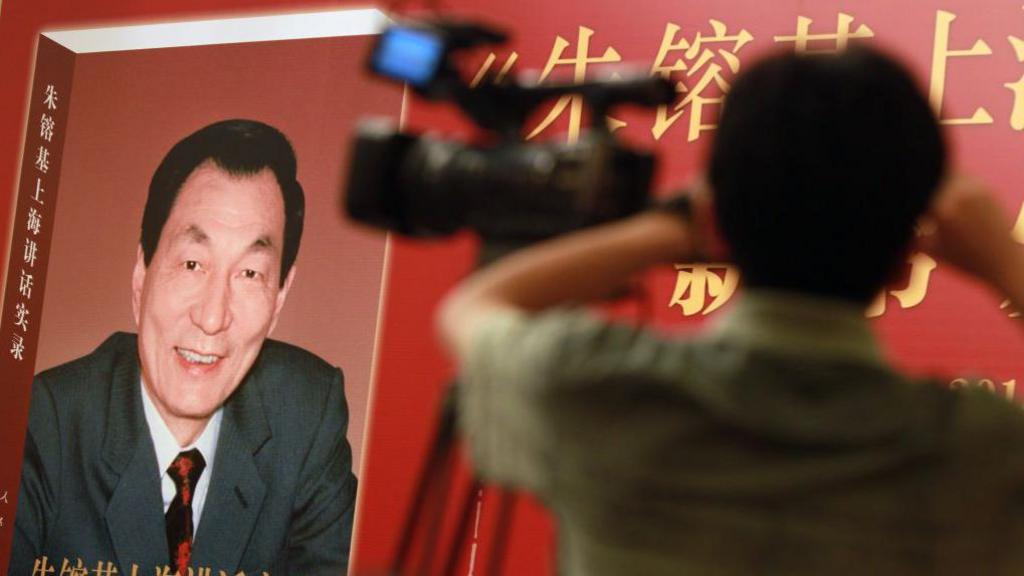
Flags at government sites are flying at half‑mast and government vehicles are parked in the heart of Beijing, marking the nation's collective mourning for former Premier Zhu Rongji.
Zhu died of illness last week at the age of 97 and was cremated in a low‑key funeral attended by senior leaders, including President Xi Jinping. No footage of the ceremony was released, and the event was tightly controlled.
Zhu steered China through a critical era of economic reform from 1998 to 2003, championing measures such as shutting down unprofitable state firms, restructuring housing, coping with the Asian financial crisis, and joining the World Trade Organization in 2001.
The state expressed caution that public mourning of Zhu could quickly turn into veiled criticism of the current government under Xi. Key officials, including Li Qiang and former President Hu Jintao, were present at the ceremony and praised Zhu “as an outstanding member of the Communist Party” and a “time‑tested and loyal fighter.”
Zhu was cremated in Babaoshan Revolutionary Cemetery, reserved for influential officials and symbolic figures. Yet beneath the official tribute, online forums were swiftly censored: an essay by economist Zhao Jian reminiscing about the perceived clarity of Zhu’s era was removed from WeChat a day after posting.
The Chinese Party has historically feared that the deaths of senior officials could stir widespread grief that might evolve into protests, as seen after the deaths of Zhou Enlai in 1976 and Hu Yaobang in 1989. The recent wave of nostalgia surrounding Zhu and Jiang Zemin highlights a longing for a time when China seemed to move in a different direction, offering greater openness and hope. However, the current economic slowdown and demographic challenges underline the complex legacy of past reforms.
In a speech commemorating Jiang Zemin, Xi highlighted the notion that China’s current leadership continues Jiang’s trajectory, casting the past as a blueprint for present and future success. He urged vigilance against potential dangers, framing policy as a deliberate drive toward technological independence and strategic industry dominance.
The contrast between Zhu’s frank, reformist leadership style and the current narrative—uncovering tight control and tight media messaging—exposes how mourning can serve as a catalyst for comprehensive reflection on China’s political path.