In brief
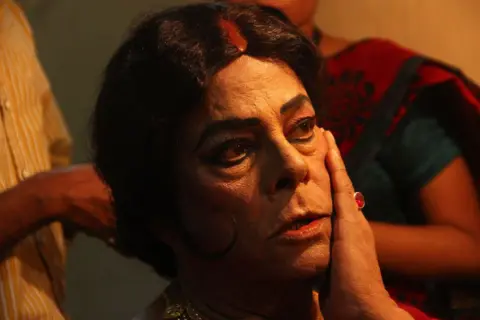
Chapal Bhaduri, known as Chapal Rani, was a pivotal figure in Bengal's jatra theater, transforming male impersonation into an art form. Bhaduri's story, captured in Sandip Roy's book 'Chapal Rani: The Last Queen of Bengal', highlights the complexities of gender and identity in performance and sheds light on the fading tradition of jatra, where male actors often played female roles. Despite experiencing societal rejection and a decline in his career, Bhaduri's contributions to theatre remain significant, making him a queer elder in contemporary discussions about gender fluidity.
In mid-20th Century Bengal, some of the biggest female stars on stage were actually men. Among them stood Chapal Bhaduri, better known as Chapal Rani, the reigning queen of jatra, a traveling theatre tradition that once drew vast, fervent crowds.
The form of jatra flourished with male actors portraying female roles—a common theatrical trope across cultures, from Europe to Japan. Despite its vibrant performances rooted in mythology and storytelling, jatra struggled for recognition among the urban elite, often dismissed as rustic and unsophisticated.
In her new book, 'Chapal Rani: The Last Queen of Bengal', writer Sandip Roy chronicles Bhaduri's journey from stardom into obscurity, illuminating a world where traditional gender roles were turned upside-down on stage.
Born in 1939 to a theatrical family, Bhaduri began acting at 16, embodying queens and goddesses with elegance. His performances were not comedic caricatures; they conveyed depth and emotion at a time when queer-coded characters were often ridiculed.
Despite his impact, Bhaduri faced societal challenges off stage, navigating a life filled with admiration yet fraught with stigma. He engaged in odd jobs later in life after his famed performances began to fade as female actors emerged on the scene.
Bhaduri's life today reflects a complex history intertwined with the evolution of performance art in India. As societal understanding of gender gains visibility, Bhaduri's legacy serves as a reminder of the fluid nature of identity in performance, posing critical reflections on why some narratives endure while others are forgotten.