In brief
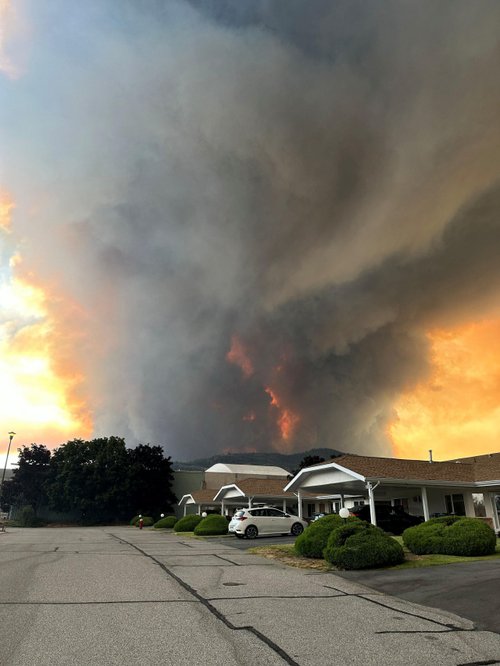
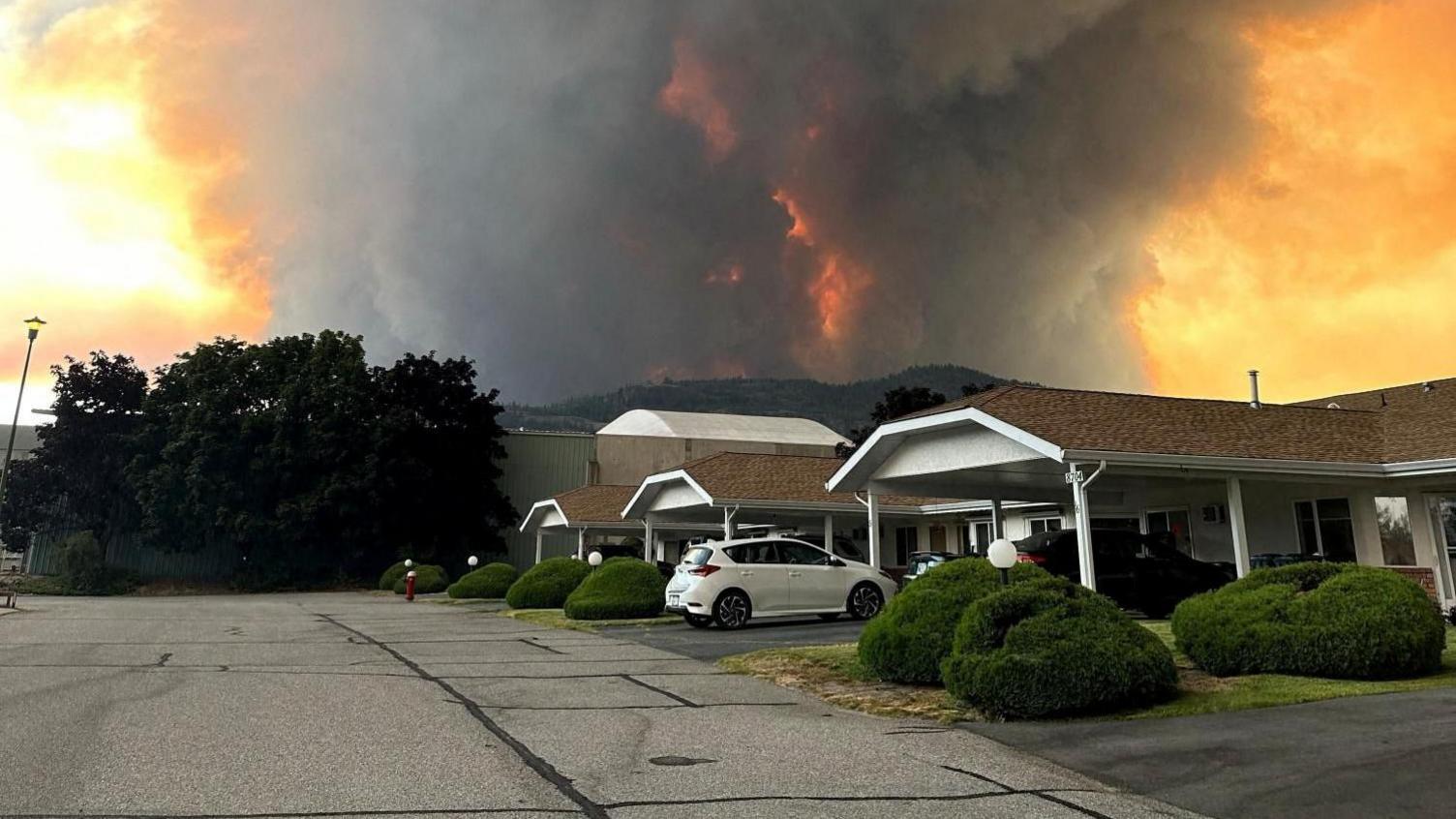
A fast‑moving wildfire in British Columbia’s Okanagan region, the Bald Range fire, has scorched more than 53 square miles of forest and residential land. Residents, including long‑time homeowners, have been forced out under emergency orders, with over 12,000 people still displaced. Local witnesses describe the devastation as “total incinerated destruction” and say houses are reduced to ash‑covered rubble. While authorities are still counting lost homes, the fire’s legacy raises questions about the province’s preparedness for increasingly intense forest fires fueled by drought and climate change.
For thirty years, Earl Kurz and his wife have called Peachland, the lakeside town in British Columbia’s Okanagan, home. He says he had grown accustomed to wildfire threats, yet the recent Bald Range blaze was the first that forced him and his community to flee.
Growing from a single spark on Friday, the fire spread into a 53‑square‑mile inferno within hours, leaving only barren ash where homes once stood. Kurz described the devastation as “total incinerated destruction” and noted that the stony hot spots covered acres with only a foot of ash.
Officials still struggle to quantify how many houses were lost; the blaze remains out of control as of Monday. Meanwhile, slightly more than 12,000 people remain under evacuation orders, and an 80‑year‑old woman died while attempting to escape.
In this drought‑stressed Okanagan, the lake’s water level reached its lowest since 1992. The region, famed for vineyards and scenic vistas, has endured a summer of intense fire season, with the Bald Range fire following the Bradley Creek blaze that destroyed over 200 homes.
California‑style readout: In Washington state, US, over 65,000 residents were displaced, while Europe’s Spain and France experienced their worst summer fires ever. The trend points to climate change—hotter, drier weather—spurring more frequent, severe wildfires across the continent.
The British Columbia Provincial Premier, David Eby, declared a state of emergency, urging all residents to heed evacuation orders and warning that the fires spread “incredibly quickly.”
Keegan Radomski, a resident of Summerland, recounts how she escaped with her mother’s ashes just in time as the fire broke through her property. She notes that, even with decades of wildfire experience, the speed of the fire outpaced any regime she had seen, leaving her uncertain if the home’s 30‑year‑old foundation survived. She has yet to return to ascertain the damage.
In summary, the swift advance of the Bald Range wildfire underscores the mounting threat posed by climate‑driven droughts and the urgent need for better fire‑preparedness in Canada’s fire‑prone regions.