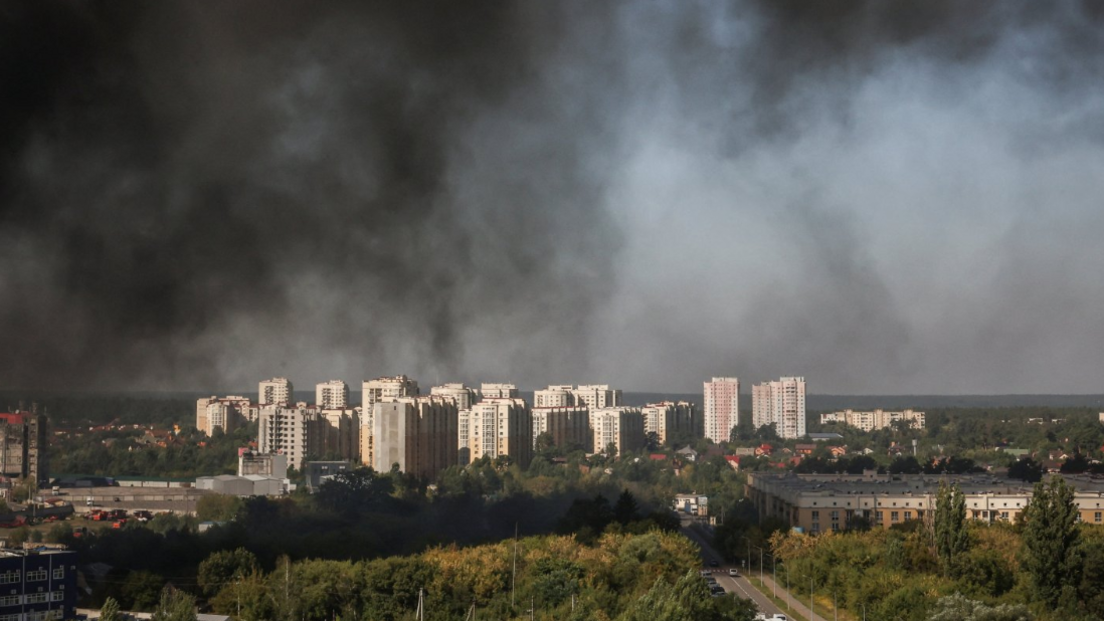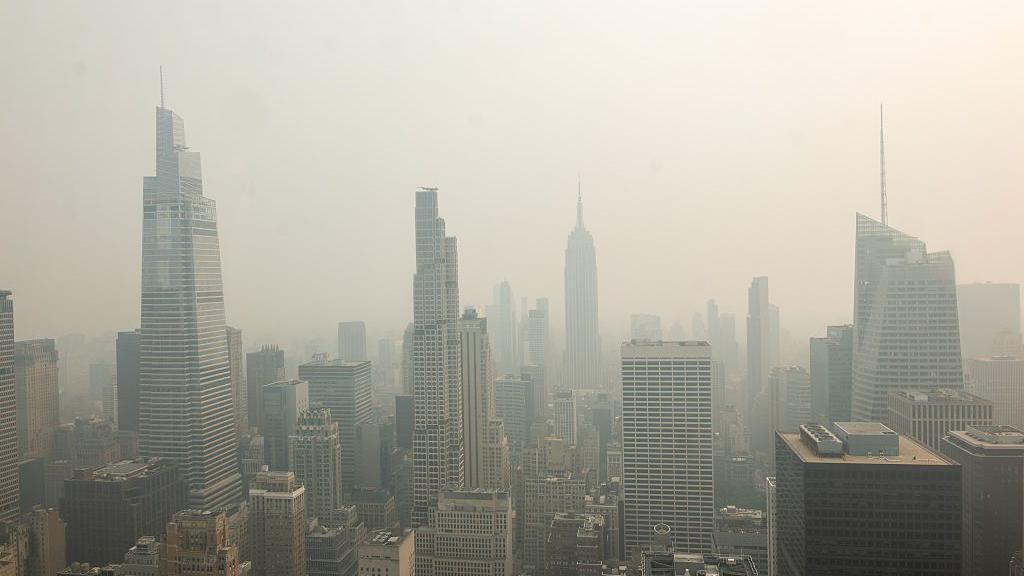
More than 800 fires are burning across Canada’s wildlands, sending thick smoke northwards and westwards to set off a chain of hazardous air‑quality alerts in dozens of U.S. cities.

The haze has rolled in over Detroit, Toronto, New York and across New England, forcing local governments to urge residents to stay indoors and cancel outdoor events such as children's camps and beach visits. The U.S. Air Quality Index program has issued “hazardous” alerts for cities like Chicago, Grand Rapids, Pittsburgh and Toledo.
New York Governor Kathy Hochul declared the situation “very serious” after the state’s air‑quality monitors reported levels that were “very unhealthy” across the metro area. She announced the opening of cooling centers and the distribution of KN95 masks citywide.
In northern Ontario, a fire has forced dozens of First Nations residents to evacuate, with Chief Helen Paavola describing her community as “burnt to ashes.” The fires are part of a growing trend of severe wildfires moving eastward since 2015, stressing Canada’s firefighting efforts.
Michigan lawmakers have sent an open letter to Canadian Prime Minister Mark Carney demanding better wildfire management, while U.S. Ambassador Pete Hoekstra praised cross‑border cooperation. Both sides acknowledge the climate‑driven rise in wildfire frequency and the need to address the broader issue of climate change.