In brief
A sudden power cut struck Zimbabwe's parliament just as Finance Minister Mthuli Ncube was delivering his budget speech, leaving prominent officials including President Emmerson Mnangagwa in darkness. The power loss highlighted the ongoing energy crisis in the country, marked by long daily blackouts due to severe drought conditions affecting energy production at the Kariba Dam. Opposition members seized the moment, criticizing the blackout as a reflection of Zimbabwe's dire state. Although the Zimbabwe Electricity Supply Authority (Zesa) claimed the blackout was unintended—attributed to a lightning strike—Ncube had just forecast a 15% contraction in the agricultural sector this year due to drought, while also optimistic about a predicted 6% economic growth next year owing to potential favorable rainfall.
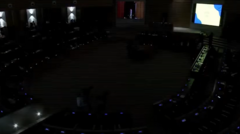
Zimbabwe parliament hit by power cut during budget speech. President Emmerson Mnangagwa and top officials were present as Finance Minister Mthuli Ncube delivered his address.A power cut plunged Zimbabwe's parliament into darkness as Finance Minister Mthuli Ncube was finishing his budget speech. The lights flickered and died, leaving top officials, including President Emmerson Mnangagwa, Vice-President Constantino Chiwenga, and members of parliament, sitting in the dark. The outage is a symptom of Zimbabwe’s ongoing crisis, characterized by daily 12-hour blackouts driven by a prolonged drought that is crippling energy generation at the Kariba Dam, the country’s primary power source. As the lights went out, opposition MPs shouted that the outage was an apt metaphor for the country’s state of affairs. George Manyaya, spokesperson for Zimbabwe Electricity Supply Authority (Zesa), informed local news outlet ZimLive that the blackout was unplanned. He clarified that parliament has its own dedicated electricity supply, which is typically exempt from power cuts; however, this incident resulted from a lightning strike. Prior to the outage, Ncube indicated that the agricultural sector would contract by 15% this year due to the ongoing drought, but projected a 6% growth for the economy next year, should forecasts for above-average rainfall materialize, which would also help improve electricity supply.