In brief
The formation of the Committee for Civil Peace by Syria’s new government has sparked outrage among factions that once fought against Bashar al-Assad's rule, as it prioritizes stability over justice for war crimes.
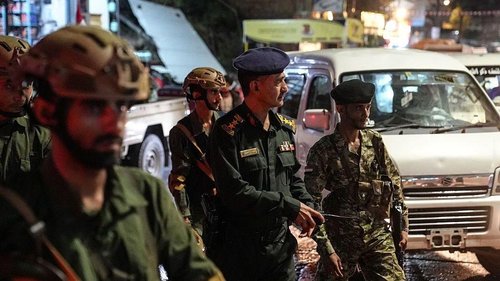
The Committee for Civil Peace in Syria, established by the transitional government to promote stability after years of civil war, is now at the center of controversy. Critics, especially among those who supported the uprising against Bashar al-Assad, argue that the committee’s approach compromises accountability for war crimes, thereby deepening societal rifts.Activists voiced their frustration following the committee's recent decision to release multiple former soldiers associated with Assad's regime, asserting that they had not participated in any criminal activities. This development incited widespread anger among those who have been awaiting justice for the atrocities committed during the war. "What everyone has been waiting for since Assad’s fall is to see the punishment of those who committed war crimes," remarked Rami Abdelhaq, a prominent activist, referring to the widespread expectation for transitional justice.The committee's formation followed a sequence of violent reprisals against the Alawite minority—a group loyal to the ousted president. After a failed counterinsurgency attempt by pro-Assad soldiers, human rights organizations reported that armed factions retaliated by targeting Alawite civilians, resulting in significant casualties.In light of these events, the peace committee’s actions have been interpreted as a betrayal by many in the country, particularly those who fought against the old regime. Activists are organizing protests to express their discontent, demanding a reassessment of the committee’s decisions and a stronger commitment to justice.