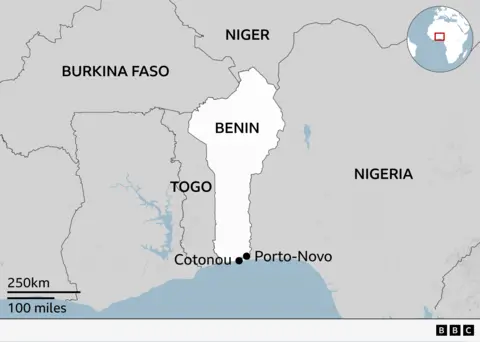
A senior government official in Benin has informed the BBC that the leader of Sunday’s failed coup is taking refuge in neighbouring Togo.
Speaking anonymously, the official reported that the government plans to request the extradition of Lt Col Pascal Tigri. However, Togo's government has yet to make a statement on the matter.
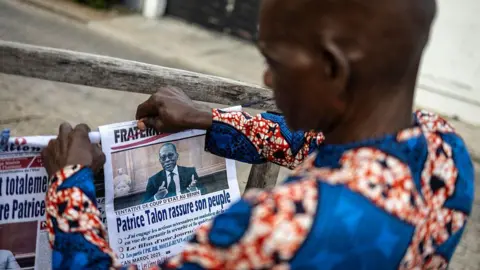
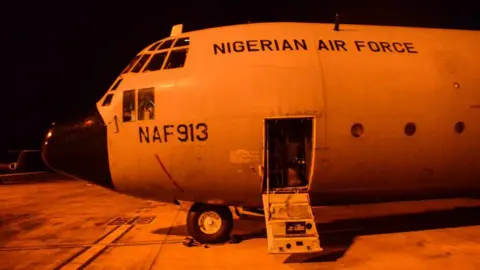
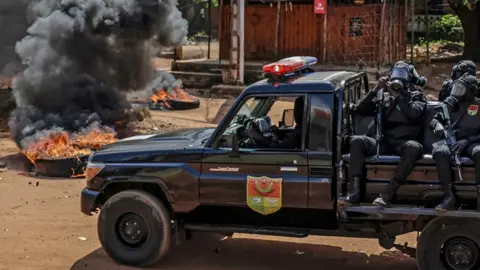
This coup attempt follows a worrying pattern of military takeovers in West Africa, raising fears that democracy is increasingly under threat in the region. It was thwarted when Nigeria deployed fighter jets to remove mutineers from a military base and state TV offices at the request of President Patrice Talon.
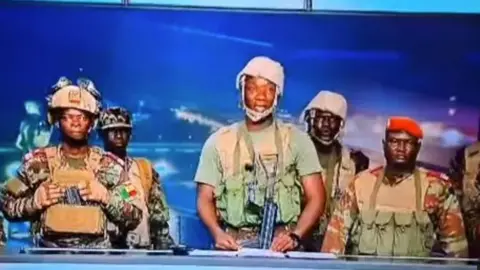
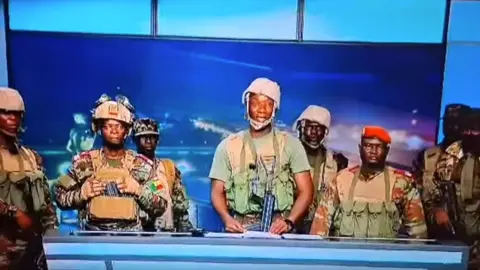
A group of soldiers appeared on state television early Sunday claiming they had seized power, with gunfire reported near the presidential residence. French special forces also reportedly aided loyal troops in repressing the coup, according to the head of Benin’s republican guard responsible for the president's protection.
Dieudonne Djimon Tevoedjre, an official, praised Benin's troops for their valiance during the conflict, noting that French troops were dispatched from Abidjan, Ivory Coast, to assist in the aftermath.
The government spokesperson Wilfried Léandre Houngbédji did not confirm the involvement of French forces, but acknowledged France’s primary role in providing intelligence support.
According to the same official, Tigri is believed to be located in Togo's capital, Lomé, near President Faure Gnassingbé’s residence. Efforts for official extradition are underway, although independent verification remains lacking.
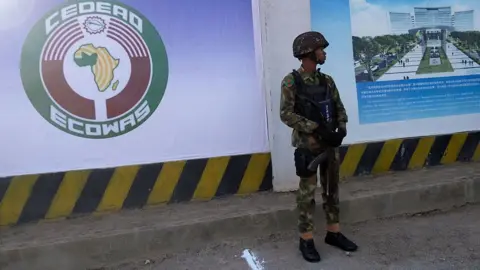
Togo is part of the regional bloc ECOWAS, which has condemned the coup attempt and deployed troops from member states including Nigeria, Ghana, Sierra Leone, and Ivory Coast to protect crucial infrastructures in Benin.
Benin, a former French colony often seen as a stable democracy, is also one of Africa’s largest cotton producers but struggles economically. Recent military actions in the region prompt concerns about the stability of civilian governments, especially after a string of coups in countries like Burkina Faso, Guinea, and Mali. The national security landscape is further complicated by the rising threat of jihadist groups operating in neighboring Niger and Burkina Faso.
President Patrice Talon, an ally of Western powers, is expected to step down next year after his second term. He has faced criticism for his governance style and was viewed unfavorably by the rebel soldiers, who have voiced grievances regarding management of security and increasing taxes.
The recent coup attempt comes closely after the overthrow in Guinea-Bissau, which raises questions about the ongoing political turmoil in West Africa and its implications for future governance and democracy in the region.