In brief
Mothers in the Sundarbans are actively fighting against the daily tragedy of child drownings, which claims the lives of three children each day. By establishing creches and implementing safety measures, they aim to protect their children amidst the challenges posed by the region's numerous water hazards.
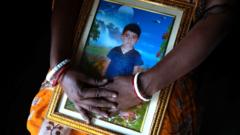
Mangala Pradhan still remembers the heart-wrenching morning 16 years ago when she lost her one-year-old son, Ajit, to the waters of their home pond in the Sundarbans. This vast delta, characterized by its numerous ponds and rivers, sees an alarming rate of child drownings—nearly three children aged one to nine years drown each day. With most drownings occurring during the day when caregivers are occupied, community efforts have intensified to prevent further tragedies.In response to this crisis, non-profit organizations like Child In Need Institute (CINI) have set up makeshift creches where mothers like Mangala care for children while their parents are at work. These mothers have become champions of safety for kids not their own. As statistics show, drownings peak during the monsoon season, highlighting the need for urgent preventative measures.Tragedy has also struck families like Sujata Das's, who lost her 18-month-old daughter, Ambika, to drowning in a pond. Such events have prompted villagers to enact stricter safety measures, including fencing ponds and teaching swimming skills. The community is rallying together to learn CPR and establish practices that could save lives.Despite the dire circumstances, these mothers, with support from non-profits, strive to instill safety and awareness within the community. They hope to reduce drownings and ensure no other family endures the heartbreak they have faced. Early initiatives, like creches, have shown promise, as they serve to keep children safe during the day—and the push for wider community participation in safety practices continues.While the road to safety is fraught with cultural resistance and practical challenges, these mothers remain determined. By educating their neighbors and implementing protective barriers, they hope to create a safer environment for the next generation, proving that even amidst despair, there is hope and resilience. In Mangala's words, “I want to protect these children from drowning. We live amid so many dangers anyway.”