
In brief
The recent threat of a 25% tariff from President-elect Donald Trump has put strain on Canada-Mexico relations, with accusations of Canada sidelining its southern neighbor. Trump declared that he would impose the tariffs unless both countries addressed border security issues with the US upon his return to the presidency. Canadian officials insist that the issues at the northern border differ significantly from those affecting Mexico. They highlighted drug-related challenges that are more prominent at the southern border and expressed concerns over Mexico becoming a vehicle for Chinese investments.
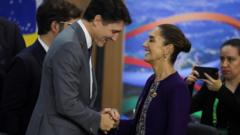
Mexican President Claudia Sheinbaum responded by asserting that Mexico deserves respect as a trading partner and underscoring that Canada faces its plight with drug issues like fentanyl trafficking. Canadian ambassador to the US, Kirsten Hillman, had earlier pointed out the distinct challenges of each border. Commenting on the situation, Doug Ford, Ontario’s Premier, criticized the US for equating the security challenges Canada faces with those of Mexico. Further complicating matters is the looming renegotiation of the North American trade agreement, which will come up for revision in 2026. Meanwhile, Canada has begun imposing tariffs on Chinese products as a collective effort with US and EU allies to curb a flood of imports from China. This development has garnered varying responses from Mexico, and sentiment from Mexican officials suggests a need for unity rather than division against the US. The growing tensions have shifted the discourse between Canada and Mexico, once viewed as steadfast allies, to a more scrutinized relationship under the looming pressures of Trump’s administration. This situation prompts potential reassessment of trade strategies and dynamics in North America as both leaders look to navigate the threat of tariffs and border issues while trying to maintain stability. Canada’s efforts to shore up its own border security have intensified, with officials reaffirming their commitments to cooperation. Meanwhile, Mexico’s government emphasizes its strategy centered around solidarity and respect in handling migration and trade issues. As bilateral relationships evolve, both countries face mounting pressures while striving to preserve their economic ties with the United States in this complex tri-nation dynamic.

