In brief
Two Iranian footballers, Atefeh Ramezanisadeh and Fatemeh Pasandideh, who publicly defied their government, have been naturalised as Australian citizens in Brisbane. The pair were part of a seven‑member Iranian national team granted humanitarian visas during the Women's Asian Cup in March, but only they chose to stay and seek asylum. Their decision came as tensions peaked after the US‑Israeli air strikes on Iran and fears of reprisals for refusing to sing the Iranian anthem. The Australian government’s new visa regulations, aimed at tightening migration, contrast with the players’ hopeful outlook as they plan to continue elite sport training with the Brisbane Roar. Their journey highlights the complex intersection of politics, sport, and human rights in international conflict zones.
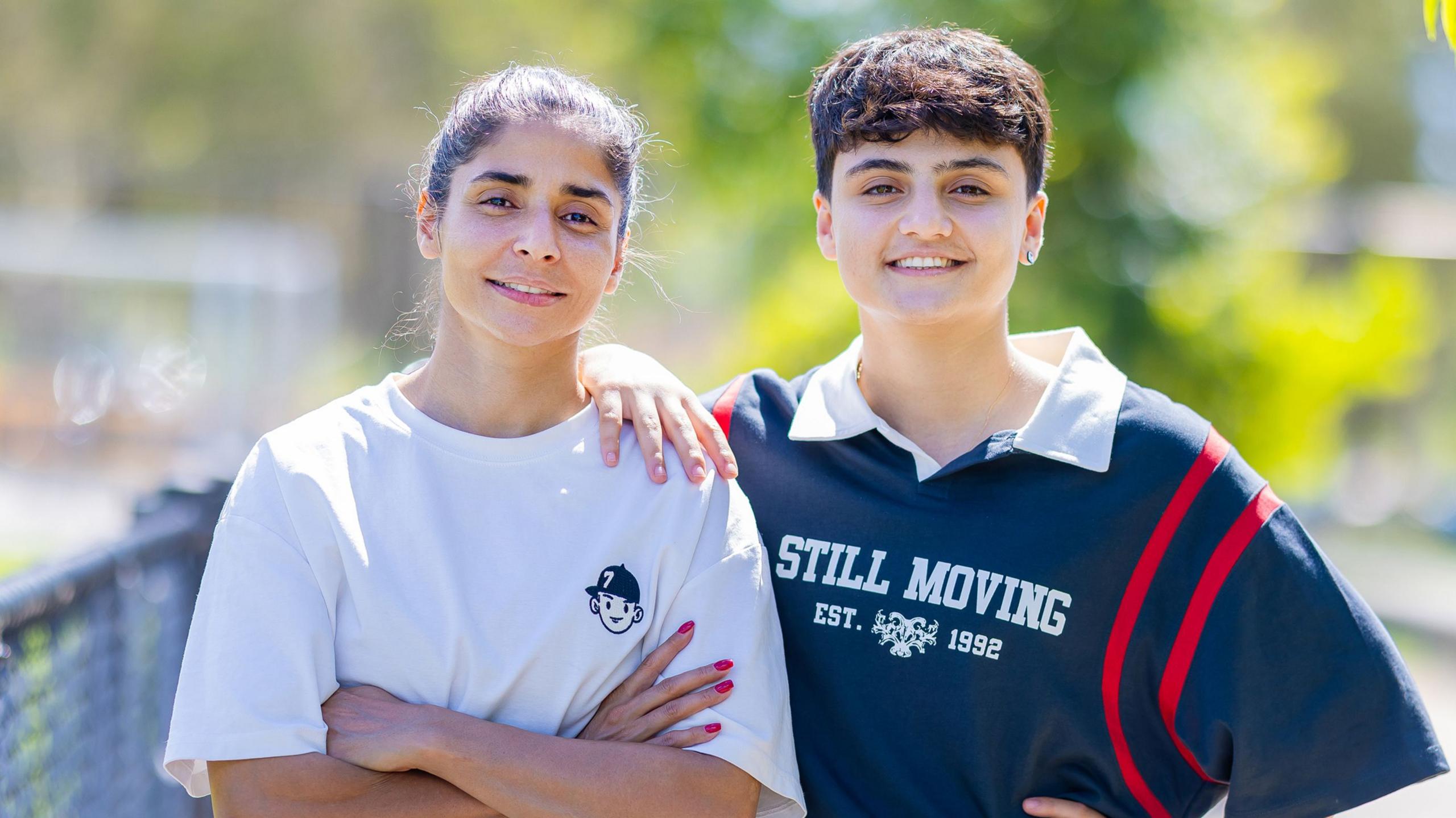
Atefeh Ramezanisadeh and Fatemeh Pasandideh, two footballers from Tehran, have been granted Australian citizenship after a tense chapter of conflict, defiance and hope.
Both players joined a seven‑member Iranian national team that received humanitarian visas while in Australia for the Women's Asian Cup in March. While five other team members returned home after the visas were granted, only Ramezanisadeh and Pasandideh decided to stay, seeking a new life in the country.
The decision came amid escalating threats linked to the US‑Israeli war that began on 28 February. In March, Iranian state television called them “traitors” after they did not sing the national anthem at a match, raising fears of punitive repercussions.
Australia’s interior minister attended the ceremony where the two players received their citizenship certificates, marking a significant moment of welcome for athletes who had risked their safety and reputation to stand by their convictions.
Both footballers described their new status as a “new beginning” they are proud to call home. They are now training with the Brisbane Roar, aiming to continue their elite sporting careers while rebuilding a future as Australian citizens.
Their story unfolds amid a broader debate over migration policy, as the Australian government gears up to impose stricter visa rules that could limit asylum seekers’ rights and curb family visa applications.
Human rights advocates have expressed concern that the retreat of most team members to Iran may have been influenced by family‑related threats, while the Iranian sports ministry claimed the returnees showcased national spirit by thwarting the ‘enemy’s plans’ in the face of the war.