In brief
Workers at Japan's Fukushima nuclear plant temporarily evacuated following a tsunami warning after a significant earthquake near Russia.
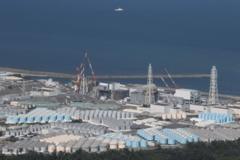
On Wednesday, all 4,000 workers at Japan’s Fukushima nuclear plant were evacuated due to tsunami warnings prompted by an 8.7 magnitude earthquake off Russia's coast. The alert echoes distressing memories of the 2011 disaster. Japan disclosed plans to boost its reliance on nuclear energy amid ongoing concerns surrounding the Fukushima site, now facing severe cleanup challenges. The Fukushima nuclear plant, notorious for its role in the 2011 disaster, saw all its 4,000 workers evacuated on Wednesday after tsunami warnings were announced across Japan. The move followed a powerful 8.7 magnitude earthquake that struck off the east coast of Russia, sending tremors through the Pacific region. Fortunately, the plant's operator, Tokyo Electric Power Company Holdings (TEPCO), reported no abnormalities at the facility. For residents of Fukushima prefecture, these warnings evoke painful reminiscences of the catastrophic events of March 2011, when a massive 9.0-magnitude earthquake and tsunami led to the worst nuclear accident in history, claiming over 18,000 lives. The tsunami that hit the region then breached the plant's defenses, triggering meltdowns and releasing toxic materials into the environment, leading to the evacuation of more than 150,000 people and leaving much of the area uninhabitable.Despite advancements in safety and nuclear technology, the site remains fraught with dangers, housing approximately 880 metric tons of hazardous material that complicate cleanup efforts. TEPCO's goal of decommissioning the plant by 2051 has recently faced delays, pushing back critical phases of the cleanup to 2037 or later—a considerable burden that has sparked skepticism among experts.Efforts to manage nuclear waste are further hindered by over a million tons of radioactive water stored in tanks at the site, which Japan seeks to alleviate by offshore release plans met with public backlash, despite assurances by UN regulators indicating minimal environmental impact. Shockwaves from historical disasters remain in the minds of many, as Japan’s meteorological services caution about possible tsunami waves reaching up to 3 meters (9 feet) in height. As citizens race to protect themselves, the country grapples with a shifting energy policy that calls for a renewed dependence on nuclear energy to meet growing demands, particularly in sectors such as artificial intelligence and semiconductor manufacturing. Japan, situated on the volatile Ring of Fire, is accustomed to seismic activity, experiencing approximately 1,500 earthquakes annually. Despite extensive preparedness and engineering measures, the probability of major earthquakes in the coming decades remains significant, highlighting persistent fears among residents for their safety and future.