In brief
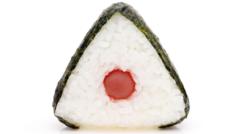
The popular convenience store, Ministop, has come under fire for suspending sales of rice balls, known as onigiri, along with other deli items at around 1,600 stores nationwide. This decision follows the discovery that employees at 23 of its outlets faked expiry dates on various food items. Reports indicate that certain staff members delayed putting labels on fresh dishes until an hour after preparation or falsified expiry dates after items were already for sale. This misconduct was uncovered in key areas, including Tokyo, Kyoto, and Osaka.
In light of this serious issue, which was reported first on August 9, Ministop has paused onigiri sales and recently expanded the ban to additional deli offerings. The company has initiated an "emergency investigation" into the matter. "We sincerely apologize for the significant inconvenience caused to our customers …,” the statement read, stressing the importance of customer trust. Fortunately, there have been no health complaints reported from consumers regarding the affected products.Convenience stores, known as konbini, hold a vital spot in Japanese culture, particularly for individuals seeking quick and affordable meal options. Onigiri, a staple snack, is especially favored by busy commuters for its portability and variety, typically featuring fillings like tuna salad or cod roe, all wrapped neatly in nori, or seaweed.Ministop, with over 1,800 outlets across the country, prides itself on offering freshly prepared food, distinguishing it from larger competitors in the convenience store sector.