
In brief
The UK and India have finalized a significant trade deal after three years of negotiations, which seeks to facilitate the export of UK goods while lowering tariffs on Indian products.
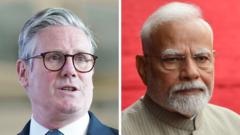
The UK and India have reached a pivotal trade agreement after three years of discussions, aimed at strengthening economic ties between the two nations. The deal will permit UK businesses to export products such as whisky and cars to India with fewer restrictions and reduce taxes on Indian exports, including clothing and footwear. Prime Minister Keir Starmer hailed the agreement as a major step forward for British firms, estimating it could bolster bilateral trade by an additional £25.5bn annually by 2040 on top of the current £42.6bn trade figure. Indian Prime Minister Narendra Modi called the deal an "historic milestone" that promises mutual benefits and increased economic activities.Once implemented, possibly within a year, UK consumers may see lower tariffs on various imports from India, facilitating access to cheaper clothing, cars, food, and luxury items. The reduction is also expected to expand export opportunities for UK firms across various sectors including aerospace and healthcare.This trade deal is characterized as the most significant bilateral agreement for the UK since Brexit, as emphasized by Business Secretary Jonathan Reynolds. Key points of contention in negotiations, including tariffs on gin and whisky, will see reductions—down to 75% in the coming years. Tariffs on high-end UK vehicles are also set to drop drastically from 100% to 10%, inline with set quotas.The accord further introduces exemptions from social security payments for some workers moving between the two countries, which the Indian government labeled as an unprecedented achievement. The arrangement aims to simplify the tax contributions of temporary employees from both nations while safeguarding NHS funding.However, opposition parties have raised concerns over the implications of the deal, particularly criticisms from Labour that the agreement may favor tax reliefs in a "two-tier" system. Liberal Democrats voiced apprehensions regarding the potential tax liabilities for Indian workers in the UK. With India projected to ascend to the third-largest economy soon, this agreement represents a crucial partnership for the UK and signals a potential shift towards more open trade at a time when global tariffs are rising under pressures of protectionism. Business leaders have welcomed the deal, viewing it as a sign of hope amid a challenging economic landscape.
