In brief
Manmohan Singh's tenure from 2004 to 2014 marked significant milestones in India's economic and social landscape. His vision for economic liberalization and progressive policies laid the groundwork for substantial growth and transformation in the country.
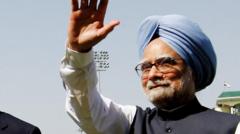
In a time of reflection, millions in India are commemorating the enduring contributions of Manmohan Singh, who passed away recently. As Prime Minister from 2004 to 2014, Singh's leadership was foundational in transforming India into one of the fastest-growing economies in the world. Known for his technocratic approach, Singh first gained prominence as India's Finance Minister in 1991, during a critical financial crisis. At that time, he introduced pivotal economic reforms, including deregulation, currency devaluation, and privatization of state-run enterprises. His decisive actions staved off an economic collapse, famously stating, “no power on Earth can stop an idea whose time has come.” Singh's political journey began when he became Prime Minister after the Congress party's victory in 2004. Despite facing critiques regarding his leadership style, many recognized his economic acumen, particularly in sustaining an 8% GDP growth rate during his early years in office. Additionally, he implemented significant legislative reforms aimed at bolstering democracy. Under his leadership, crucial laws were enacted to ensure transparency in governance, promote rural employment, and guarantee the right to free education for children. He also championed the Aadhar project to improve financial inclusion for the poor.In a move reflecting both courage and accountability, Singh issued a formal apology in 2005 for the anti-Sikh riots of 1984, emphasizing the importance of national unity encapsulated in the Constitution. Furthermore, his administration played a critical role in reshaping India's global presence through the landmark nuclear deal with the US in 2008, facilitating increased energy needs and strategic partnerships.Singh's legacy lies not only in economic reforms but also in his dedication to social justice and democratic principles. As he once expressed, he hoped history would reflect more kindly on his tenure than contemporary critics—his impactful decisions continue to serve as a foundation for India's ongoing development and democratic ideals.