In brief
In response to escalating security threats, particularly stemming from Russia's invasion of Ukraine, Swedes, Finns, and Norwegians receive updated crisis preparedness pamphlets. Sweden's revised guide emphasizes civil resilience, while Finland introduces online resources and Norway shares a tangible checklist for self-sufficiency in emergencies.
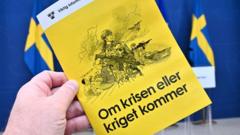
As geopolitical tensions continue to rise, particularly following Russia's invasion of Ukraine, Nordic countries are stepping up efforts to ensure their citizens are prepared for crises and military conflicts. On Monday, millions of households in Sweden will receive an updated version of the crisis management pamphlet titled “If the crisis or war comes.” This new edition, which builds on a version released six years ago, has doubled in size to provide more comprehensive guidance on coping with crises, reflecting the deteriorating security landscape.Finland, closely observing the situation, has also rolled out a new online brochure entitled “preparing for incidents and crises.” Rather than distributing paper copies, a decision deemed cost-prohibitive, Finland is utilizing digital resources for flexibility and swift updates. In contrast, Norway has opted for tangible pamphlets, having distributed 2.2 million copies advising citizens to prepare for potential emergencies, including extreme weather and military threats, underlining the need for self-sufficiency.Norway's pamphlet details essential preparedness items, such as long-life food and medical supplies, including iodine tablets for nuclear safety, mirroring a heightened awareness of climate change impacts. The Norwegian Directorate for Civil Protection is keen on ensuring citizens can cope independently for at least a week during crises.Sweden's history with civil emergency pamphlets dates back to World War II, evolving through the Cold War period. The latest edition emphasizes the importance of resilience and resistance in the face of potential military aggression. Swedish Civil Defence Minister Carl-Oskar Bohlin has been vocal about the need for citizens to understand the severity of the current global landscape. While Sweden and Finland have entered NATO, both countries are working to strengthen their defence readiness in light of recent events.Experts highlight the cultural differences in preparedness attitudes between Sweden and Finland. Finland's long history of prioritizing defense has resulted in a populace that generally acknowledges the possibility of war, whereas Sweden's approach has seen a shift following recent conflicts. Younger generations, like Melissa Eve Ajosmaki, express ongoing concern amid the backdrop of war in Ukraine, balancing personal preparedness against the reality of escalating tensions.The emergency guides from both Finland and Sweden instruct citizens on various scenarios, urging them to maintain sufficient supplies to sustain themselves initially in crises. Finland's checklist focuses on enduring lengthy power outages in severe winter conditions, while Sweden's toolkit includes staples like potatoes, carrots, and ready-to-eat meals, reinforcing the message of self-sufficiency.As these updates roll out, citizens across these Nordic nations are encouraged to consider their readiness in the face of an uncertain future, with responses shaped by national histories and the evolving geopolitical climate.