In brief
The newly established government in Syria, formed after the ousting of dictator Bashar al-Assad, is confronting significant sectarian violence. Tensions remain high among various minority communities, particularly following recent attacks by extremist groups. The Druse, Alawites, and Kurds are among those forming armed resistance, showcasing the complexities the new government faces in fostering national unity.
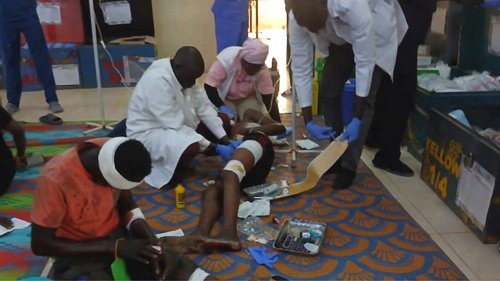
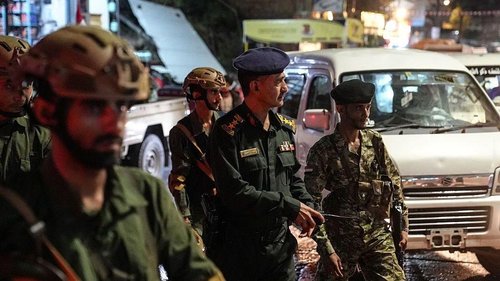
In December, rebels succeeded in overthrowing the long-standing dictatorship of Bashar al-Assad, promising to unite Syria under a new government. However, they now confront an escalating challenge: ongoing sectarian violence that threatens to unravel their aspirations for a cohesive nation. Minority groups, predominantly the Druse, Alawites, and Kurds, express apprehension about their safety, fearing that the Sunni Arab majority in power may not adequately protect them from extremist factions.Recent deadly assaults in April on Druse neighborhoods near Damascus left dozens dead, inciting fears of escalating violence. Additionally, airstrikes by Israel targeting Syrian forces emphasize the precarious situation for the Druse community. Just months earlier, brutal attacks on Alawites by extremist fighters led to the deaths of approximately 1,600 individuals, according to monitoring organizations.The government's assurances to consolidate rebel factions into a national army have proven difficult to realize, with several extremist groups still operating independently. These developments have encouraged many minority groups to form their own militias as they navigate this volatile landscape. Syria's rich tapestry of minority communities remains a focal point as the struggle for peace and stability continues amidst the remnants of civil strife.