
In brief
Factories in China are experiencing significant uncertainty as Trump's potential return to the White House raises fears of renewed tariffs. Workers and owners express concerns over job security and the future of their businesses amidst shifting supply chains.
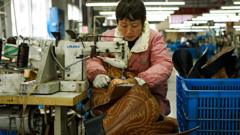
In factories across China's eastern coast, workers are alarmed over the potential return of Donald Trump's tariffs, which once decimated production and export rates. The assembly of cowboy boots in Jiangsu exemplifies the worries of many, as factories that previously thrived now grapple with dwindling orders sparked by the tariffs enacted during Trump's first term. Sales manager Mr. Peng, who has seen his factory's sales plummet from a million pairs of boots to considerably less, confronts the future with uncertainty. "What direction should we take in the future?" he laments, mirroring the sentiments of countless workers in similar situations.The prospect of Trump once again asserting control over trade policies fuels anxiety while China’s sluggish economy further complicates the landscape. With Trump threatening a new 10% tariff set to activate on February 1, many Chinese companies are exploring relocation to Southeast Asia to safeguard their operations, a move echoed by major Western brands like Nike and Adidas, already shifting supply chains in the wake of the trade tensions.Still, the emotional toll weighs heavily on Mr. Peng, who describes his workforce, some with over two decades of service, as family. A potential factory relocation could jeopardize these workers' livelihoods. Current tariffs imposed on Chinese goods have already resulted in significant layoffs; the factory's staff has been slashed from over 500 to just above 200 since the last wave of Trump's tariffs hit.As conversations around the potential impact of Trump’s tariffs continue, the reality of production costs is becoming evident. Factories attempting to maintain financial viability find it impossible to operate under such tariff-induced pressures. In Cambodia, a growing number of factories facilitate orders for US retail giants like Walmart and Costco; the shift is indicative of a broader trend where businesses are forced to decide between fleeing from China or absorbing increased operational costs.Several business owners echo that the reality of increased tariffs would not only inflate retail prices but could also threaten their profitability. The anticipated blanket tariff, affecting a wide array of goods from toys to electronics, raises fears among manufacturers who worry they may not be able to sustain operations.Additionally, China's response to the tariffs and its ongoing Belt and Road Initiative may ultimately regroup the balance of trade in their favor, focusing on Southeast Asia as an alternative to US dependency. The ongoing investment in high-tech manufacturing reflects an effort to pivot towards new markets amidst potential hazards stemming from US policies.While optimism lingers that the United States and China can engage in productive discussions to avert another trade war, anxiety continues to loom over the uncertain economic landscape. Businesses remain on high alert, weighing their options as the interconnected global economy faces new challenges brought forth by shifting political winds. Mr. Peng's hopes that "Americans still need to purchase these products" highlight the underlying tension between navigating tariffs and maintaining crucial trade ties.
