In brief
The acceptance of alcohol-free wines in France represents a significant shift in the wine industry. With changing consumer habits, particularly among younger generations, wine estates are adapting to the trend by innovating production methods. Winemakers like Frédéric Brochet are at the forefront of this movement, creating wines that deliver genuine taste without alcohol, as a shop dedicated exclusively to alcohol-free wines opens in Bordeaux.
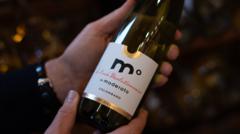
In the vineyards of Bordeaux, what was once considered unthinkable is now being embraced as a legitimate beverage—alcohol-free wine. Once an industry heresy, the concept has gained traction due to advances in science and shifting consumer preferences in the face of economic challenges. Winemakers who would have been reluctant to consider booze-free options are now exploring the possibilities of de-alcoholised bottles.Frédéric Brochet, a well-known Bordeaux oenologist, reflects on the journey of alcohol-free winemaking. He has contributed to the creation of the Moderato range, stating, "When we started a few years ago, what we were making was frankly rubbish." Today, however, he confidently asserts that remarkable progress has been made, signaling a potential revolution in the wine world.Bordeaux recently celebrated the opening of its first specialized wine shop, focused solely on alcohol-free selections. Alexandre Kettaneh, owner of Les Belles Grappes, noted the rapid interest from local wine-growers in exploring the non-alcohol market. This shift has surprised many industry representatives, as traditionalists grapple with emerging consumption trends.Several factors have converged to create this timely opportunity for alcohol-free wines. First, the French wine market is facing significant challenges, including declining domestic consumption and shifts in international demand. As supermarket offerings evolve, young consumers show a preference for healthier lifestyles, prompting a departure from traditional wine habits.Technological advancements have played a pivotal role in this transformation, significantly improving methods for creating alcohol-free wines. Previously, many producers removed alcohol from wine through boiling, often resulting in subpar beverages. Modern techniques, such as low-temperature vacuum distillation, have refined the process, allowing wines to retain their essential characteristics, enabling quality products to emerge."With reds, you need to be prepared for an experience which will not be like a traditional wine," stated Fabien Marchand-Cassagne of Moderato. Nonetheless, he promised that consumers can still enjoy a genuine wine moment with bouquet, tannins, and balance intact.At the Clos De Bouard estate, non-alcoholic brands now make up a third of their sales. Owner Coralie de Bouard faced familial backlash after venturing into the non-alcoholic market, labeled a "traitor." However, she has since garnered recognition, crediting her innovative approach with contributing to the estate's survival amidst struggles in the industry.Promoters of alcohol-free wine emphasize that this new trend promotes inclusivity, allowing non-drinkers to participate in traditional wine rituals. "We want to bring back the France of our youth – when everyone sat around the dinner table and drank wine," expressed Anne Kattaneh."The notion that the wine world was always as it is now is a myth," Brochet remarked. "Tradition is merely an innovation that succeeded." As the landscape of French winemaking continues to evolve, so too does the potential for alcohol-free wines to reshape the narratives surrounding wine culture and the very essence of sharing moments around the table.