
In brief
The recent halt of USAID funding, influenced by US policy changes, has left individuals, like Mike Elvis Tusubira in Uganda, struggling to maintain their health and relationships amid fear of disease and death. As services providing critical HIV treatment and health care shut down, the ripple effects are being felt across communities in both Uganda and Malawi.
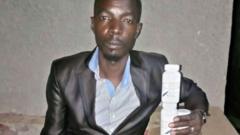
Life for Mike Elvis Tusubira, a motorcycle taxi rider in Uganda living with HIV, has been devastated by the recent freeze on USAID funding. Since the suspension was announced, his access to essential anti-retroviral (ARV) medications has been disrupted, forcing him to confront the frightening prospect of losing his marriage. Mike's wife, who is HIV-negative, relied on PrEP medication to reduce her risk of contracting the virus, but with their supplies running out, their intimate life is in jeopardy.Without the preventive medications provided under USAID, Mike fears the only solution may be separation. "Actually without the preventive measures, she's not going to stay," he revealed. Following the funding freeze, which was ordered by former President Donald Trump, Mike now possesses only a limited supply of condoms and no backup options to ensure safe sex.The abrupt cessation of funding also cut off essential support services from NGOs that previously provided health resources to families like his. The 2023 funding for Uganda amounted to $295 million, a lifeline for many, with nearly 70% of its Aids initiatives depending on foreign aid. The impact has also been detrimental for healthcare organizations in Malawi, where crucial clinics have shuttered their doors entirely.In Uganda, Dr. Shamirah Nakitto, who worked daily with hundreds of HIV patients, was among those laid off after the funding halt. "It was so abrupt... we just stopped working," she lamented. Meanwhile, the Ministry of Health is seeking ways to alleviate the disruptions caused by this freeze.In Malawi, community health services have similarly come to a standstill, leaving individuals like Eddah Simfukwe Banda with dwindling supplies of ARVs and a heavy reliance on prayers for support. "Let this be a lesson that we have to be independent," she expressed, reflecting on her country’s deep dependence on foreign aid.The effects of this aid cut are dire; experts warn that halting funding could reverse years of progress in combatting HIV and lead to an additional 6.3 million deaths from AIDS over the next five years in Africa. As individuals struggle for survival amid this healthcare crisis, the broader message is clear: the political decisions made far from their shores have life or death consequences for many. As Mr. Tusubira faces a grim future, he considers returning to his village, where he feels he would at least find peace in death. "If I die, they just bury me there," he said, illustrating the profound hopelessness that has gripped him and countless others like him amidst a funding freeze that has crippled vital healthcare initiatives.


