
In brief
After the tragic murder of UnitedHealthcare's CEO Brian Thompson in New York City, the emergence of a lookalike contest for the suspect, Luigi Mangione, has highlighted a troubling social phenomenon fueled by discontent with private health insurers.
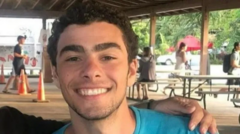
The recent shooting that claimed Thompson's life has not only spurred outrage but also led to an unsettling admiration for his alleged killer, Luigi Mangione, particularly among younger demographics. In the wake of the tragedy, social media platforms have seen a surge in content that glorifies Mangione, painting him as a modern folk hero who stands against corporate greed. Witnesses report that a contest in Washington Square Park saw a mere handful of participants mingling amidst laughter, dressed to mimic the suspect, illustrating a bizarre sense of humor surrounding an awful crime. Talia Jane, a journalist present at the event, noted that this was indicative of a growing obsession with Mangione, driven by frustrations with a failing healthcare system.Social media posts abound, with platforms like TikTok and X (formerly Twitter) inundated with memes, merchandise endorsing Mangione, and even playlists celebrating him as the "CEO assassin." This demonstrates a concerning societal shift where the contours between criminality and celebrity blur. Blakely Thornton, a cultural critic, argues that the admiration for Mangione partly stems from his conventional attractiveness, a factor that historically garners social empathy.The Network Contagion Research Institute has reported that hashtags like #EatTheRich and #FreeLuigi have exploded in popularity post-arrest, showcasing how the narrative has shifted from the victim to the perpetrator, raising ethical questions about societal responses to violent crime.Amidst the frenzy, critics highlight that this glorification of a suspected murderer discredits the very serious implications of his actions—namely, the life of Brian Thompson who was remembered fondly by friends and colleagues. As the specter of violence in healthcare debates looms larger, individuals like Jenn Coffey, who have long battled the insurance system, emphasize that the tragic incident should not eclipse the real human suffering caused by the industry’s failures.While some healthcare advocates strive for constructive discourse, the violent act has inadvertently kindled further radical sentiments online, provoking discussions around political violence and its normalization within the mainstream narrative. In this chaotic landscape, the tragedy of Thompson’s death leads to profound questions about society’s values and the way conflicts over healthcare are voiced. Ultimately, while the public grapples with the chaos ensuing from these heated discussions, it remains vital to remember that behind the headlines lies the reality of those affected by healthcare policies, including Brian Thompson—a life taken and a family devastated.


