In brief
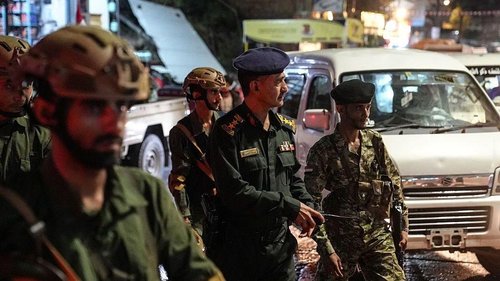
In the aftermath of the strongest earthquake to hit Myanmar in over a century, the city of Sagaing is grappling with destruction and a rising death toll. The earthquake, registering a magnitude of 7.7, struck the remote, war-torn city, leading to the collapse of buildings and critical infrastructure. With a population of around 300,000, residents have been left to navigate the chaos largely on their own, particularly as the military has imposed restrictions on aid and rescue efforts.
As reported by authorities, the death toll has soared past 2,000, with the U.S. Geological Survey warning that the final figure could exceed 10,000. As the situation unfolds, international aid has only recently begun to flow into more populous regions like Mandalay and Naypyidaw, leaving Sagaing, which was nearest to the earthquake's epicenter, in a precarious position. The military's ongoing civil conflict further complicates the situation, as locals have voiced their frustrations over the limitations placed on volunteers attempting to assist in rescue and recovery operations. Local resident Tin Shwe expressed the dire circumstances faced by those trapped beneath the rubble, noting the imposition of military checkpoints which hinder efforts for timely rescue. Despite some minor international assistance, residents and advocates have turned to social media, urging foreign governments to channel aid directly into Sagaing, where conditions remain critical and recovery is urgently needed.