In brief
Efforts to find a resolution falter, as external influences complicate the conflict.
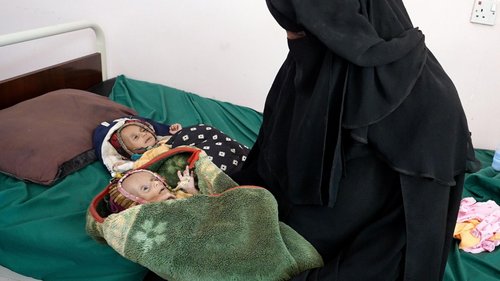
Sudan is on the brink of self-destruction, with the warring factions locked in a strategic stalemate amidst increasing violence and famine affecting its population of 45 million. Each party involved—the Sudan Armed Forces (SAF) and the Rapid Support Forces (RSF)—continues to engage in offensives that have thus far yielded no clear victor, exacerbating the humanitarian crisis.The ongoing conflict entered a new phase this month when the SAF claimed to have recaptured central Khartoum, showcasing its military strength through newly acquired weaponry. However, the zeal was short-lived as the RSF retaliated fiercely, demonstrating its capabilities with sophisticated drone strikes targeting strategic locations in Port Sudan, the interim capital and primary humanitarian aid hub.In recent developments, the RSF completed alliances with local rebel factions, expanding its operational footprint. This strategic union reflects a growing collaboration among diverse militant groups in a bid to establish supply routes, primarily towards the Ethiopian border. Meanwhile, ongoing hostilities in Darfur have shown horrific actions, with the RSF accused of committing atrocities against various ethnic groups, intensifying fears of further violence against civilians.Amid this chaos, ordinary Sudanese citizens are suffering, with many displaced and subjected to dire living conditions. Humanitarian organizations report that as blockades and military assaults escalate, famine is spreading, particularly among the displaced populations in camps such as Zamzam. Community-driven aid initiatives, which once thrived in the wake of Sudan's civilian uprisings, are now struggling for resources, especially after foreign assistance diminished.As the UN efforts to mediate peace stagnate, the primary actors in Sudan’s turmoil, Burhan and Hemedti, are unable to establish a credible dialogue for resolution. Internationally, peace talks often stall due to competing interests from regional powers like Saudi Arabia and the UAE, who appear divided in their approaches to the conflict.This compounded international and national crisis has left Sudan isolated on the global stage, with humanitarian appeals falling woefully short. Less than 14% of the required funding has been secured for life-saving aid, presenting a grim picture of a nation struggling under the weight of its internal divisions and external pressures. In conclusion, Sudan’s humanitarian plight continues to deteriorate, and the urgency for an effective and inclusive peace process grows ever more critical. The future of its people hangs in the balance as the warring factions remain mired in conflict, leaving millions of lives in jeopardy.