
In brief
In a significant shift during their ninth month of protests, Serbian activists have replaced rallies with roadblocks as they demand new elections. The protests, initially triggered by a tragic railway disaster, have led to over 140,000 participants. However, recent police actions have sparked backlash, raising questions about the efficacy of this new strategy against President Aleksandar Vucic’s leadership.
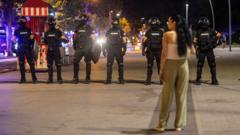
The article text: As Serbia's anti-corruption protests reach their ninth month, demonstrators are adapting their approach, opting for roadblocks instead of large rallies. This shift follows a major protest in Belgrade's Slavija Square, where the student leaders declared their intention to step back and allow other groups to lead. They had previously set a deadline for the government to call fresh elections, which was not met, resulting in calls for "civil disobedience" against President Aleksandar Vucic's Progressive Party (SNS).In response to this call, roadblocks have emerged in various cities throughout Serbia, with citizens utilizing items like dustbins and chairs to obstruct major junctions in locations including Belgrade, Novi Sad, and Nis. Local residents' associations, recognized as "citizens' assemblies," are actively participating in these actions. The tactical transition to roadblocks has led to persistent travel disruptions, as the police swiftly dismantle one blockade only for another to emerge shortly thereafter.The recent weeks have seen a crackdown by police, leading to numerous arrests and accusations of excessive force. Students have reported injuries, including one suffering a broken collarbone after police action at Belgrade University's Law Faculty. The police's handling of the situation has drawn widespread condemnation from various factions, including journalists, opposition parties, and even leaders from the Serbian Orthodox Church. The European Union has also criticized the violence, urging both sides to seek calmer resolutions.Despite ongoing chaos from the roadblocks, public sentiment appears mixed, with some describing the gatherings as more festive than confrontational. The movement originally began with a push for accountability following a catastrophic incident at Novi Sad railway station that resulted in 16 fatalities. This tragedy ignited public anger towards Vucic’s administration, which many view as an embodiment of cronyism.As protests gained momentum, they led to the resignation of former Prime Minister Milos Vucevic, though his successor has been equally aligned with Vucic. The renewed urgency for reform has brought together diverse societal segments, reminiscent of Serbia’s earlier democratic movements against Milosevic.Nevertheless, the SNS remains well-favored in public polls, suggesting that Vucic's governance is still secure. In his response to the protests, Vucic has framed the movement as an attempt to destabilize the state, dismissing calls for immediate elections, which he stated will not happen until December of next year. As the protests intensify, it remains uncertain which side will concede first, with broad questions looming over the future direction of Serbia's political landscape.


