
In brief
After four decades of stagnation, Indian authorities have begun dismantling hazardous waste from the Union Carbide factory in Bhopal, known for a catastrophic gas leak in 1984, prompting both relief and protest from the surrounding communities.
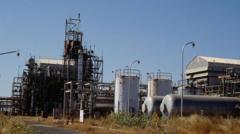
Authorities in India have finally commenced the removal of hazardous waste from the infamous Union Carbide factory in Bhopal, a site forever marked by one of the world’s deadliest industrial disasters. After decades of stagnation, this significant development comes in response to a December court ruling that demanded the removal of toxic waste within a four-week timeline. On Wednesday, approximately 337 tonnes of dangerous materials, including pesticide residues and so-called "forever chemicals," were transported from the facility located in central India to a specialized incineration plant 230 kilometers away. The incineration process is anticipated to take between three and nine months to ensure proper treatment and destruction of the hazardous waste that had contributed to groundwater pollution in nearby residential areas since the 1984 gas leak.The toxic materials that were removed included remnants from the factory’s production processes, posing ongoing health risks to local residents. A 2018 study revealed serious contamination of groundwater across 42 surrounding communities. The Madhya Pradesh state High Court criticized government inertia over the decades and mandated action, prompting officials to initiate the waste-clearing process.Security measures during the operation were stringent, with the hazardous waste transported in leak-proof containers under police escort and accompanied by emergency response units. However, this removal has incited protests from local activists and residents who express concern over the potential for environmental damage, citing a hazardous incident from 2015 when preliminary disposal at another site led to soil and water contamination. Swatantra Kumar Singh, heading the Bhopal gas tragedy relief initiative, reassured that current incineration plans would be closely monitored to prevent harmful emissions affecting nearby communities. Previous attempts to dispose of the toxic waste have been met with significant resistance, illustrating the ongoing challenges in addressing the aftermath of the Bhopal disaster.The Bhopal gas tragedy is recognized as one of the largest industrial catastrophes in modern history, resulting in immediate fatalities of around 3,500 individuals and long-term health effects for thousands more. Many victims and their families continue to seek justice, following the 2010 conviction of seven former plant managers, which many in the community deemed insufficient compared to the scale of the disaster's impact. Union Carbide, originally a U.S. company, was acquired by Dow Chemicals in 1999 and remains embroiled in legal and social ramifications stemming from this tragedy.
